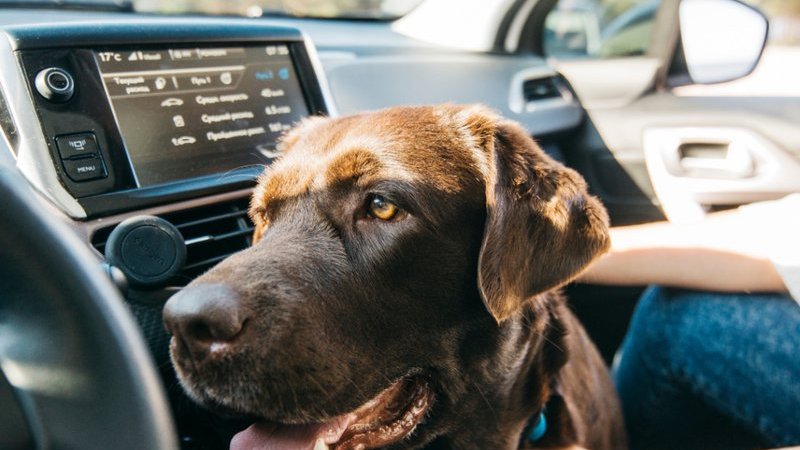
Opening your home to a foster dog is one of the most meaningful ways you can support our mission. For a dog coming from a shelter or an uncertain past, those first days in a new environment can feel overwhelming. A little preparation on your end makes an enormous difference — not just for the dog's comfort, but for how quickly they come out of their shell and show their true personality.
Here's what we've learned from years of working with foster families across Nassau County.
Create a Dedicated Safe Space
Before your foster dog arrives, set up a quiet area where they can decompress when they feel overstimulated. A spare room, a gated corner of the kitchen, or a crate in a low-traffic area all work well. Stock it with fresh water, a soft bed or blanket, and a couple of chew toys. This space should be theirs and theirs alone — a retreat they can always return to.
Many foster dogs arrive overwhelmed. Even if they seem friendly and calm at first, the full weight of the new environment often hits in the first 24–48 hours. Having a quiet space ready prevents them from feeling cornered or overstimulated.
Expect an Adjustment Period
Don't be discouraged if your foster dog hides under the bed, refuses to eat, or seems shut down on day one. This is completely normal. Some dogs open up within hours; others take a few weeks. The key is consistency — keep feeding times predictable, walks on a schedule, and interactions gentle and low-pressure.
"The best thing you can do in those first few days is simply be present without demanding anything in return. Let the dog set the pace. Trust builds quietly."
What Supplies Do You Actually Need?
You don't need to spend a fortune getting ready. A Long Road Home covers all veterinary costs and will provide food for your foster dog. Here's a simple checklist of what to have on hand:
- A sturdy leash and properly fitted collar or harness
- Food and water bowls (stainless steel or ceramic are easiest to clean)
- A crate — dogs often find these comforting as a den
- Soft bedding or an old blanket with familiar household scents
- A few chew toys to redirect boredom and anxiety
- Baby gates if you want to limit access to certain rooms early on
Introduce House Rules From Day One
It's tempting to let everything slide in the first few days out of sympathy, but clear rules actually help dogs feel more secure. Decide before your foster arrives: which furniture is off-limits, where they'll sleep, and how you'll handle mealtimes. Consistent structure communicates safety. A dog that knows what to expect is a calmer, more confident dog.
Use positive reinforcement — treats, calm praise, and patience — to reward the behaviors you want. Avoid harsh corrections in the early days while trust is still being built.
Be Their Advocate
One of the most important things a foster can do is pay attention. Take photos. Jot down notes about what they love — car rides, kids, other dogs, squeaky toys. Notice what makes them nervous. Share these observations with our team regularly. Your firsthand knowledge is what helps us match each dog to the perfect forever family.
The more we know, the better the placement. And a great placement means a dog stays in their home for life.
Prepare Yourself for Goodbye
We won't pretend this part is easy. Saying goodbye to a dog you've cared for and loved is genuinely hard. But here's the truth: every successful adoption means you've freed up a space to save another life. Foster families who've done it more than once describe the goodbye not as a loss, but as the moment their work paid off completely.
Celebrate it. You gave that dog their best possible start.
If you're ready to open your home, we'd love to hear from you. Reach out to our team at support@alongroadhome.org or fill out our foster application — it only takes a few minutes.